Loading...

Automotive machining: Precision that performs in series production

Automotive components are becoming lighter, more complex and harder to machine, while cycle times remain unchanged. MAS provides support wherever machining becomes process-critical: in hard machining, form grooving and the development of robust machining processes for series production.

Automotive today: Pressure points in production

The component spectrum in the automotive industry is changing. In addition to traditional components for combustion engines and transmissions, the focus is increasingly shifting to parts for hybrid and electric drives, thermal management and function-critical seat and sealing surfaces. Regardless of the drive concept, the requirements remain the same: short cycle times, tight tolerances, defined surface finishes and reproducible tool life.

Lightweight design increases requirements

In practice, lower mass often means thinner-walled geometries, reduced rigidity and higher demands on dimensional accuracy, surface finish and component integrity. This makes machining more sensitive to tool design, the clamping situation and process variations.

Cycle time remains fixed

In automotive series production, machining time is not an open parameter. The tool has to perform reliably within defined cycle times and must not burden the process chain with unnecessary tool changes or rework.

Geometric complexity is increasing

Complex contours, hard-to-access machining areas, new casting and forging concepts, and functionally integrated components are raising the demands on cutting-edge geometry, tool paths and process reliability.

The range of materials is expanding

Al-Si cast alloys, cast iron, case-hardening and quenched-and-tempered steels, as well as powder-metallurgical materials, make machining challenging from a material perspective. For machining, this means that cutting material, geometry and coating need to be precisely matched to the application and workpiece material.

Our mission: Innovation built on tradition. For over 40 years.

MAS Campus Technikwelt Vorführzentrum
Loading...

Process optimisation does not start with the product catalogue

Difficult materials, tighter cycle times, increasing cost pressure and more complex contours cannot be solved with standard answers.

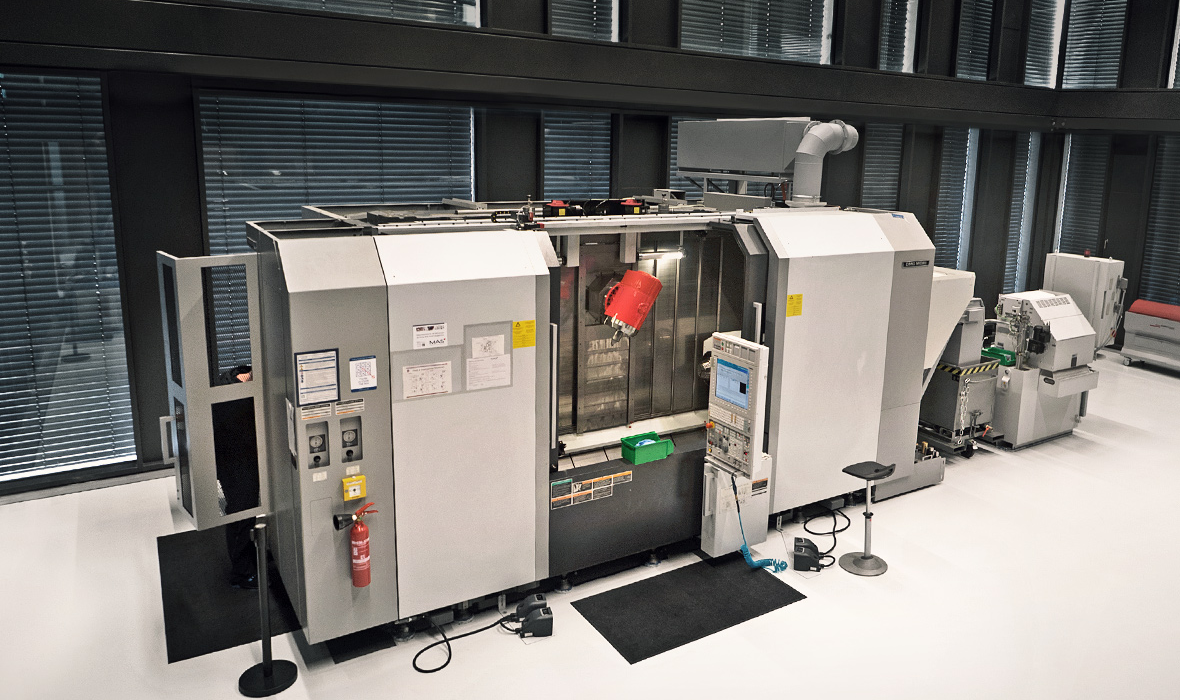
The technical environment of the MAS Campus provides space for expert exchange, workshops, application trials and new solution approaches, all the way through to pilot and pre-series production within a short time frame.

Hard machining for function-critical automotive components

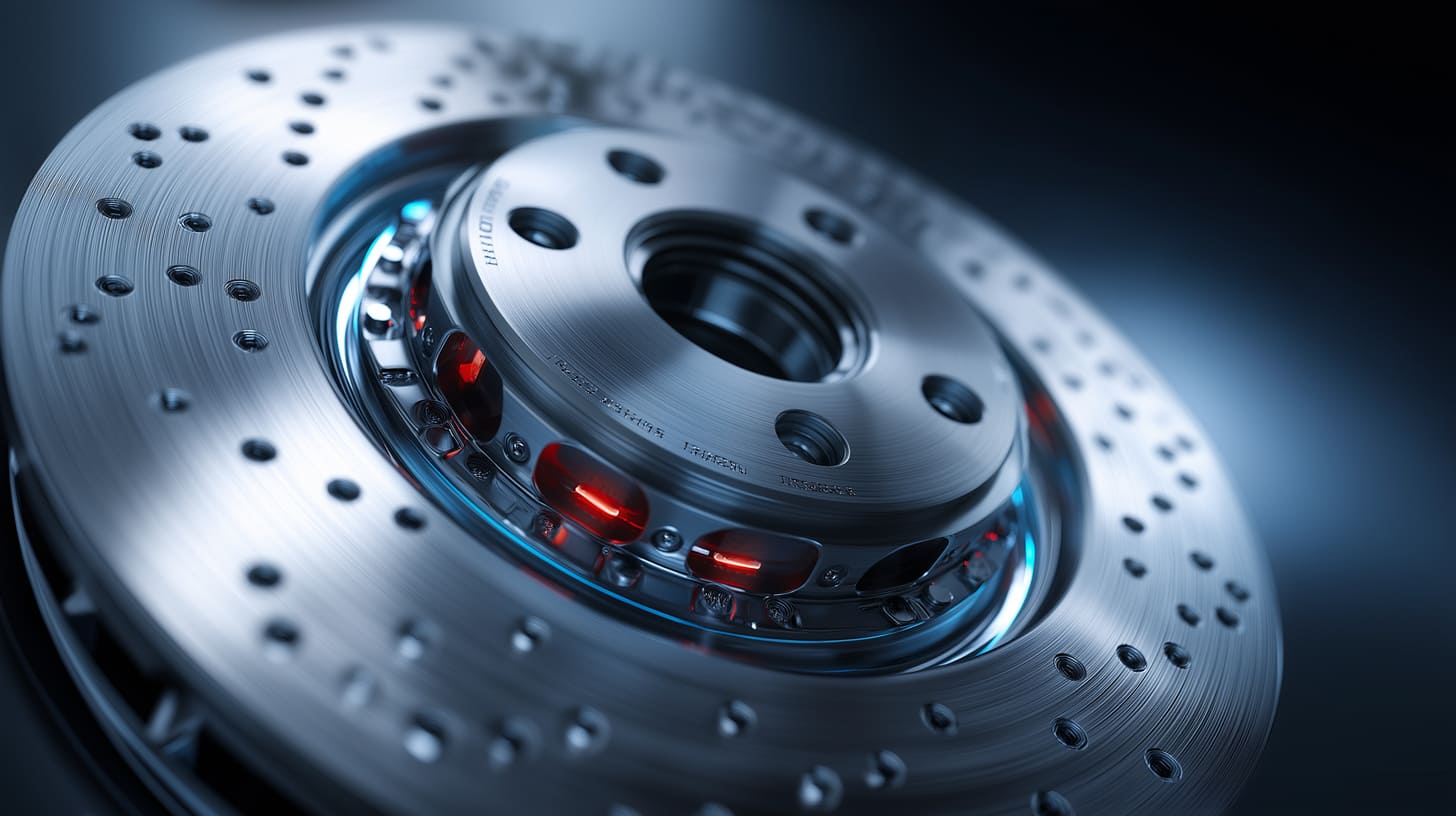
Plandrehen von Bremsscheiben

Beim Plandrehen von Bremsscheiben aus Gusswerkstoffen zählen Oberflächengüte, Formgenauigkeit und kalkulierbare Standzeiten über hohe Stückzahlen. CBN Wendeplatten überzeugen hier durch ihre Härte- und Temperaturbeständigkeit und ermöglichen somit Präzision, hohe Standzeiten und Prozesssicherheit auch bei hohen Schnittgeschwindigkeiten.

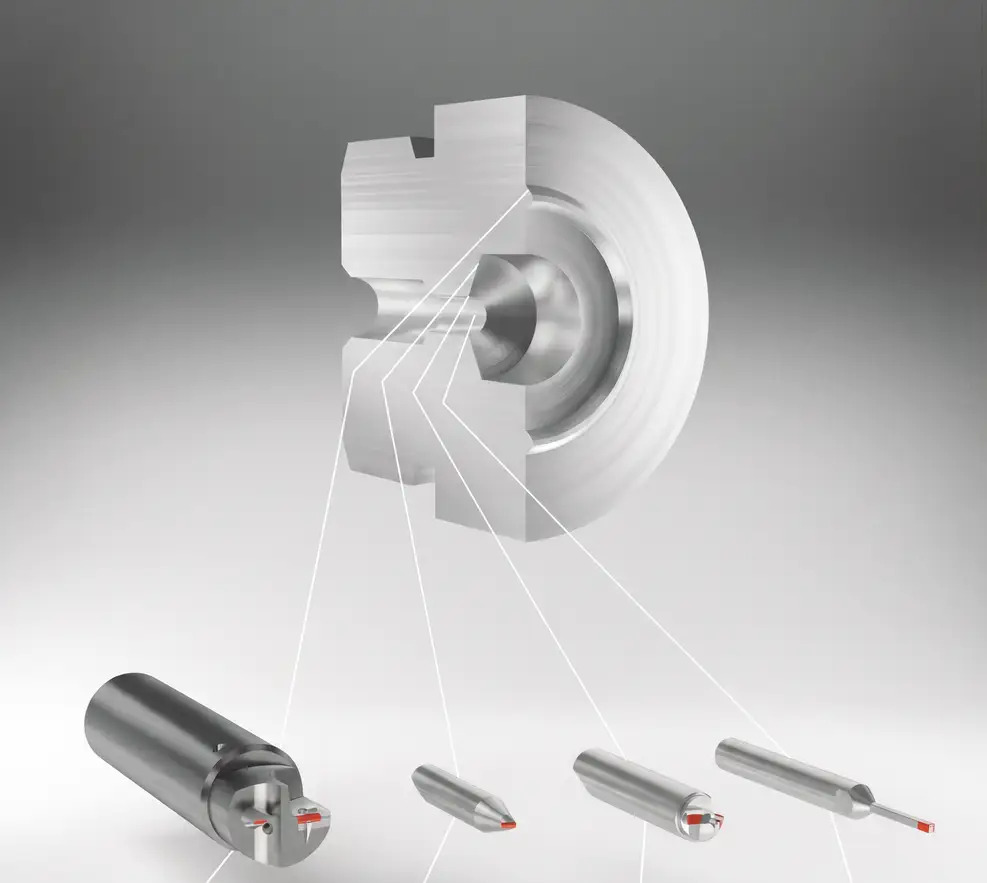
Hartdrehen und Hartreiben von Ventilsitzen

Sitzgeometrie, Rundheit und Wiederholgenauigkeit müssen über die gesamte Serie sicher und reproduzierbar erreicht werden. Hier entscheidet die Abstimmung aus Schneidstoff, Schneidengeometrie, zu bearbeitendes Material, Maschine und Schnittwerten, nicht das Einzelergebnis im Versuch.

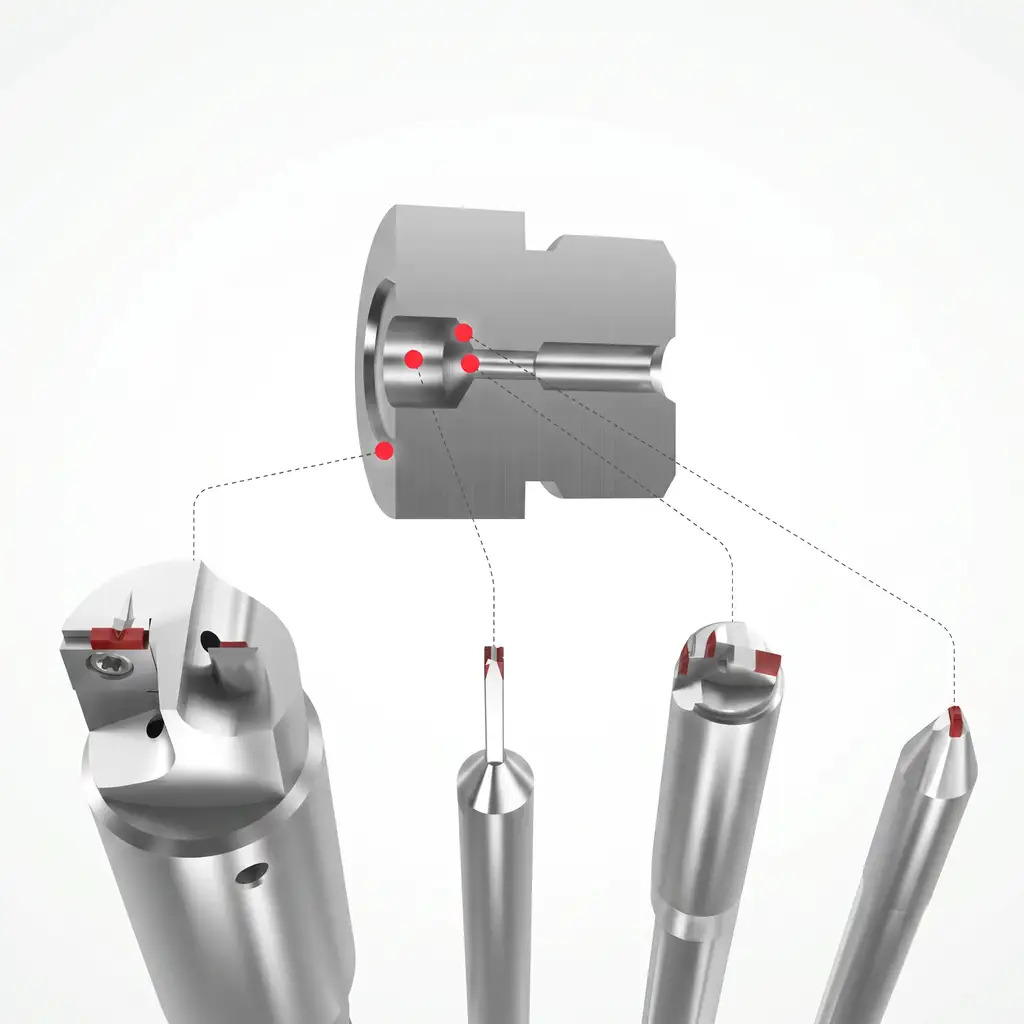
Hartreiben und gratarmes Stechen von Dichtsitzen und Einspritzbauteilen

Funktionskritische Sitzflächen an Einspritz- und Hydraulikkomponenten verlangen engste Toleranzen und definierte Oberflächen. Hartreiben und gratfreies Stechen im gehärteten Zustand ermöglichen es, diese Anforderungen prozesssicher abzubilden, sodass Funktionsflächen ohne Nacharbeit oder zusätzliche Übergaben gefertigt werden können.

Hartbearbeitung
Loading...

Deepen your hard machining expertise with MAS workshops

Hard machining is not a standard process. Anyone who wants to reliably control surface finishes, tolerances and tool life needs sound application expertise. From cutting material selection and finish machining to choosing the ideal machining strategy, all the way through to measuring surfaces, form tolerances and positional tolerances.

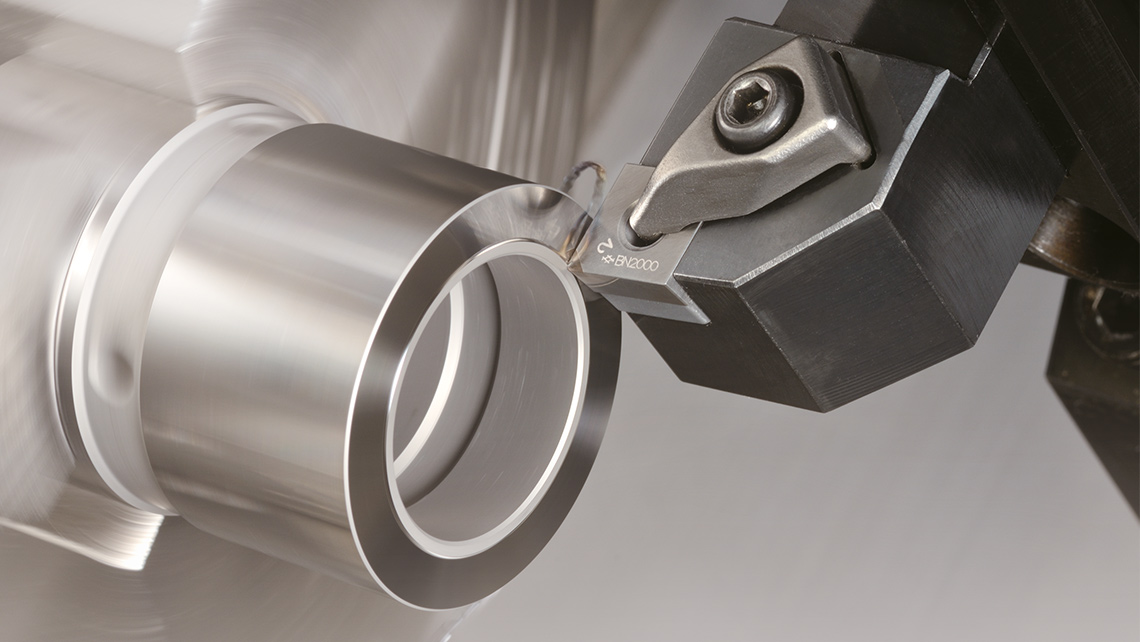
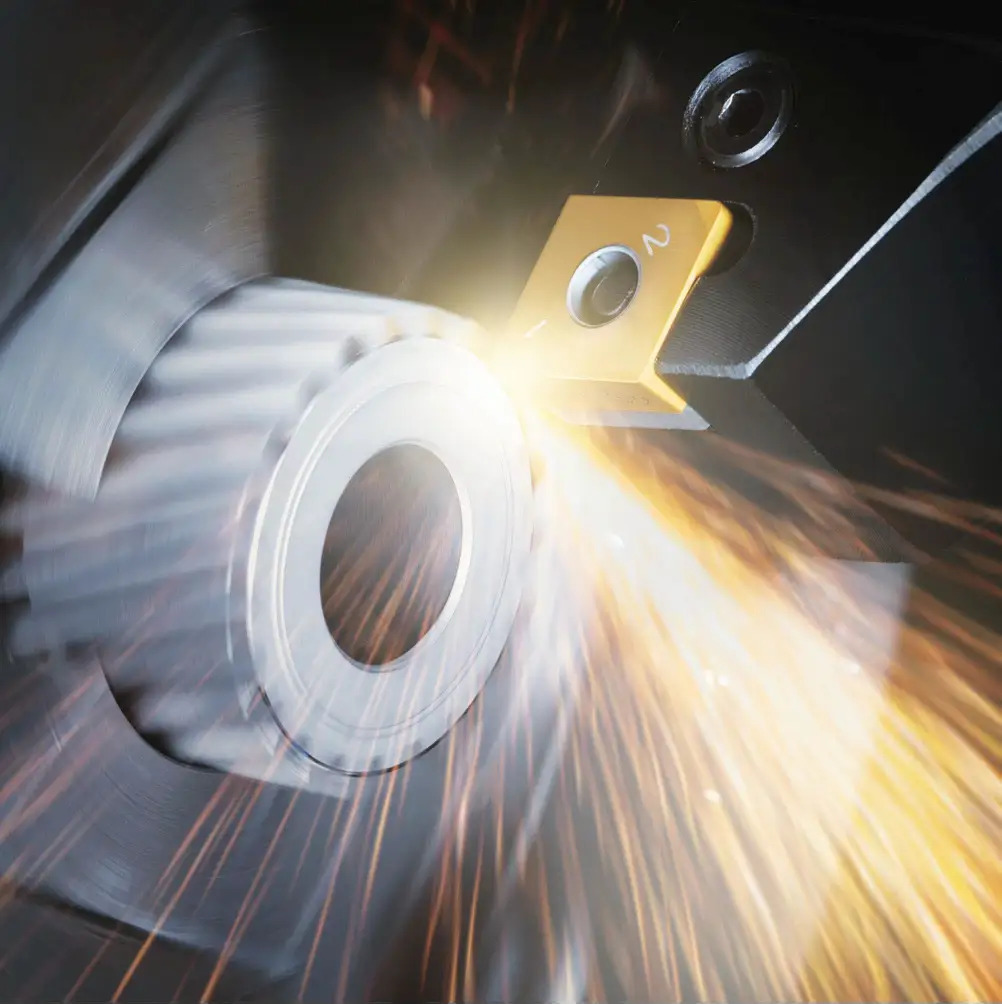
CBN Hartbearbeitung mit Sprühfunken bei der Zerspanungsbearbeitung
Loading...

CBN-Lösungen für die Hartbearbeitung im Automotive

For hardened materials and function-critical machining areas, the choice of CBN grade is a key factor in achieving surface quality, dimensional accuracy and process stability. MAS draws on a range of CBN solutions from the Sumitomo portfolio, matched to the material, machining operation and cutting conditions.

Depending on the application, the solutions used include:

The decisive factor is not the individual grade itself, but how precisely it is matched to the component function, contour, cutting interruption and required series capability.

Form grooving in automotive: when standard geometries cost time

In automotive production, it is often not major process changes that make the difference, but seconds per component. This is exactly where grooving processes become critical: for grooves, relief grooves, undercuts or combined contours that can only be produced cleanly with standard indexable inserts in several machining steps.

When one contour requires more than one cut

Many component geometries can only be approximated with ISO standard inserts. This leads to additional operations, more non-productive time and more coordination effort within the process. Especially in high-volume series production, this has a direct impact on cycle time and unit costs.


Form grooving inserts for component-specific geometries

MAS Carbide develops form grooving and precision indexable inserts for contours that cannot be machined economically with standard geometries. The aim is to combine several contour elements in one machining sequence with the highest possible process reliability.


Relevant for series production, not just for the sample part

In automotive, it is not enough for a geometry to work once. The decisive factors are reproducible cutting-edge quality, predictable wear behaviour and a process window that remains stable even across high volumes.


Matched to material and machining task

Whether cast iron, case-hardening steel, Al-Si alloy or powder-metallurgical material: in grooving, geometry, substrate and coating must be matched to the actual machining situation, not just to the drawing.
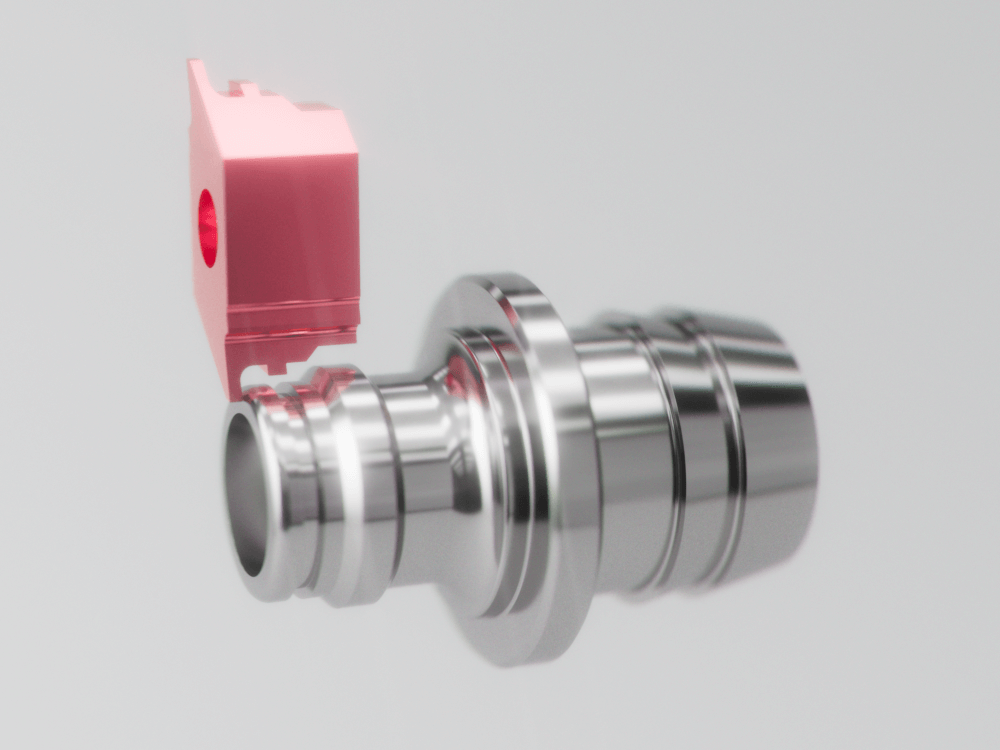
Präzisionswendeplatte Render an Werkstück
Loading...

MAS Carbide: Form grooving inserts for series production

Form grooving and precision indexable inserts from MAS Carbide are designed for defined contours, high repeatability and stable processes. They are ideal wherever standard geometries reach their economic or technical limits.

✓ Individually designed cutting-edge geometries
✓ Matched substrates and coatings
✓ High process reliability in series production
✓ Also suitable for demanding materials

INturn
Loading...

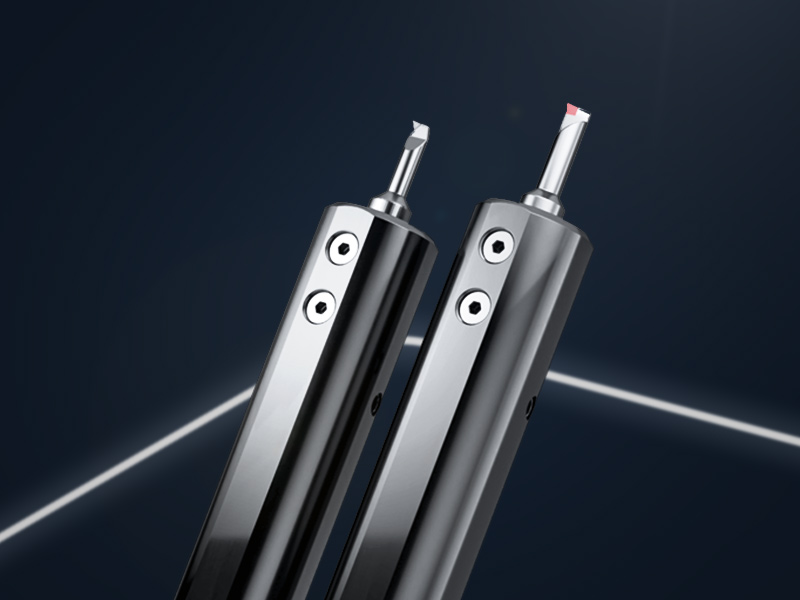
IN©turn: Internal hard and soft machining

For small internal diameters and function-critical internal contours where precision and process reliability need to be tightly controlled.

  • Internal turning from 1.00 mm diameter
  • High indexing accuracy and rigidity
  • Wear-resistant CBN and carbide grades, also for stainless steels
  • Vibration-damping holders with hydraulic expansion direct clamping
SPEEDYturn
Loading...

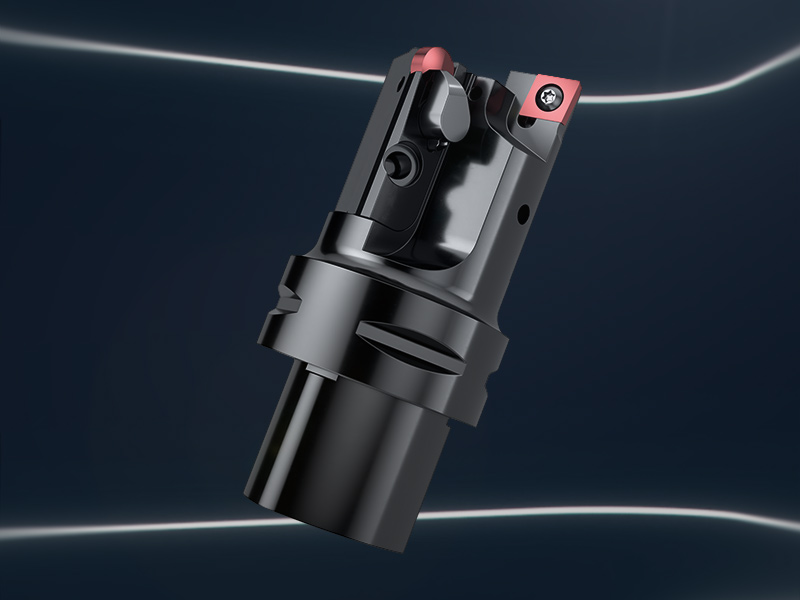
SPEEDY©turn: High process reliability at high feed rates

Adjustable system for bore and shaft machining.

  • Adjustable via the X-axis
  • Precise cylindricity and roundness
  • Ideal for high-volume production
  • For hard and soft machining
MAS Campus Meeting Verena Geier Matthias Wührl Michael Heßlinger Steffen Kinzinger Heiko Armbrecht
Loading...

When every second counts, the process has to run reliably

In automotive production, additional tool changes, unstable tool life or unnecessary non-productive time have a direct impact on unit costs. At MAS, we optimise processes with a clear focus on what matters in series production: predictable tool life, short machining sequences and robust process windows.