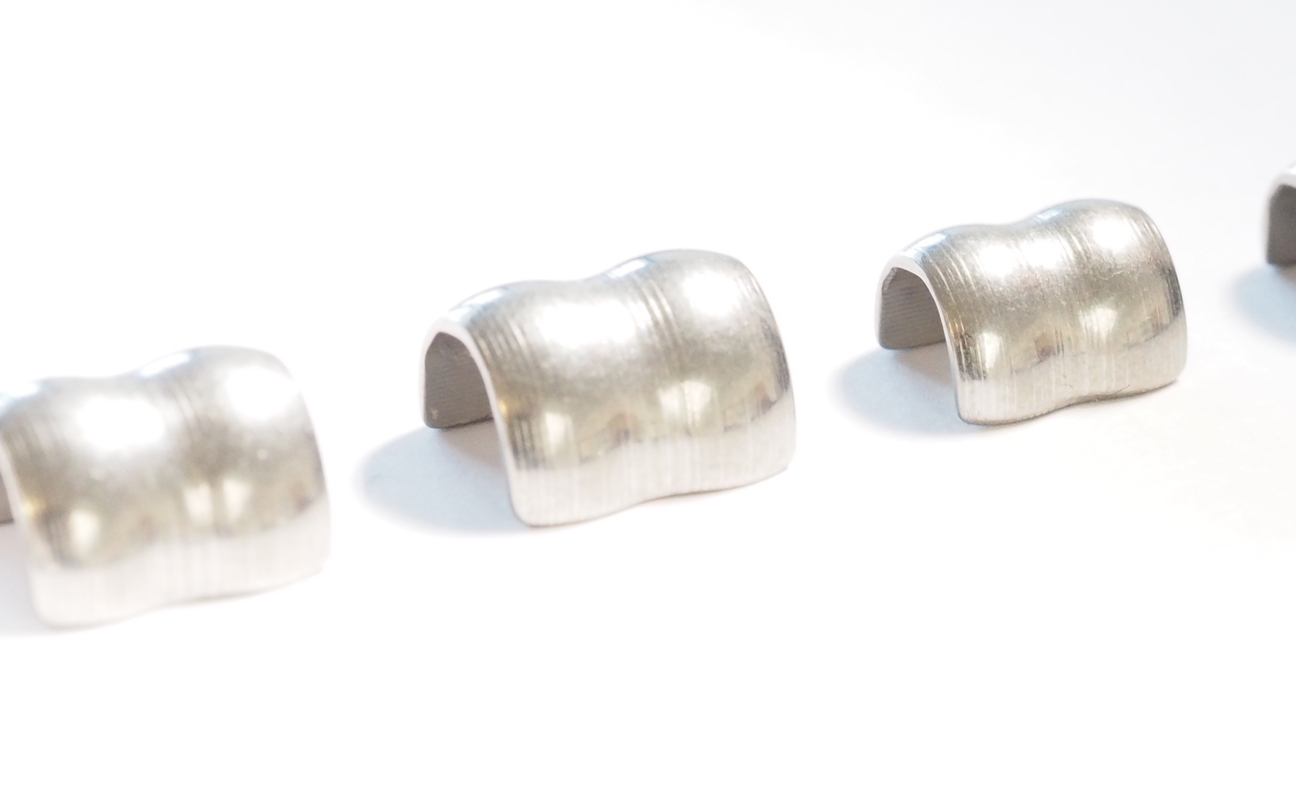
Fingergelenke in Reihe
Loading...

Finger joints from a tool manufacturer: grinding technology for maximum precision

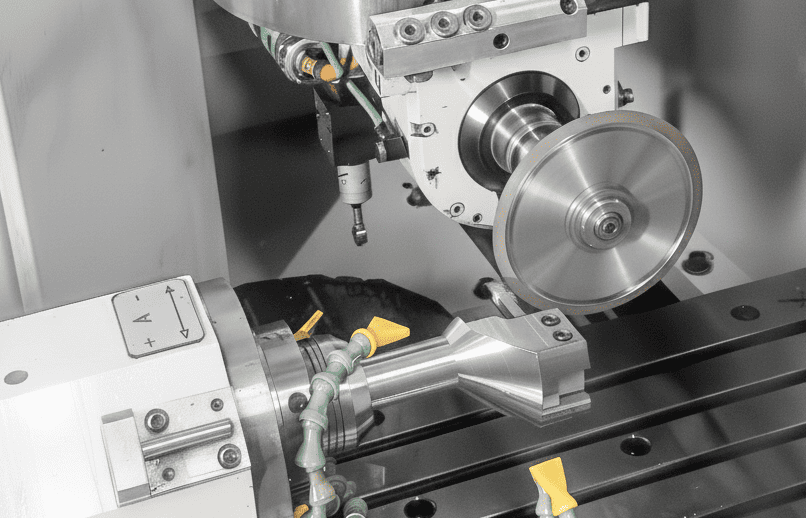
An artificial finger joint is tiny, yet it has to withstand high loads for decades and fit with absolute precision to ensure maximum mobility. This requires not only a proven material, but above all an extremely accurate manufacturing process. For this, MAS Carbide uses grinding technology that is well established in high-performance tool manufacturing and has been specifically optimised for medical technology components.
Material and surface finishing

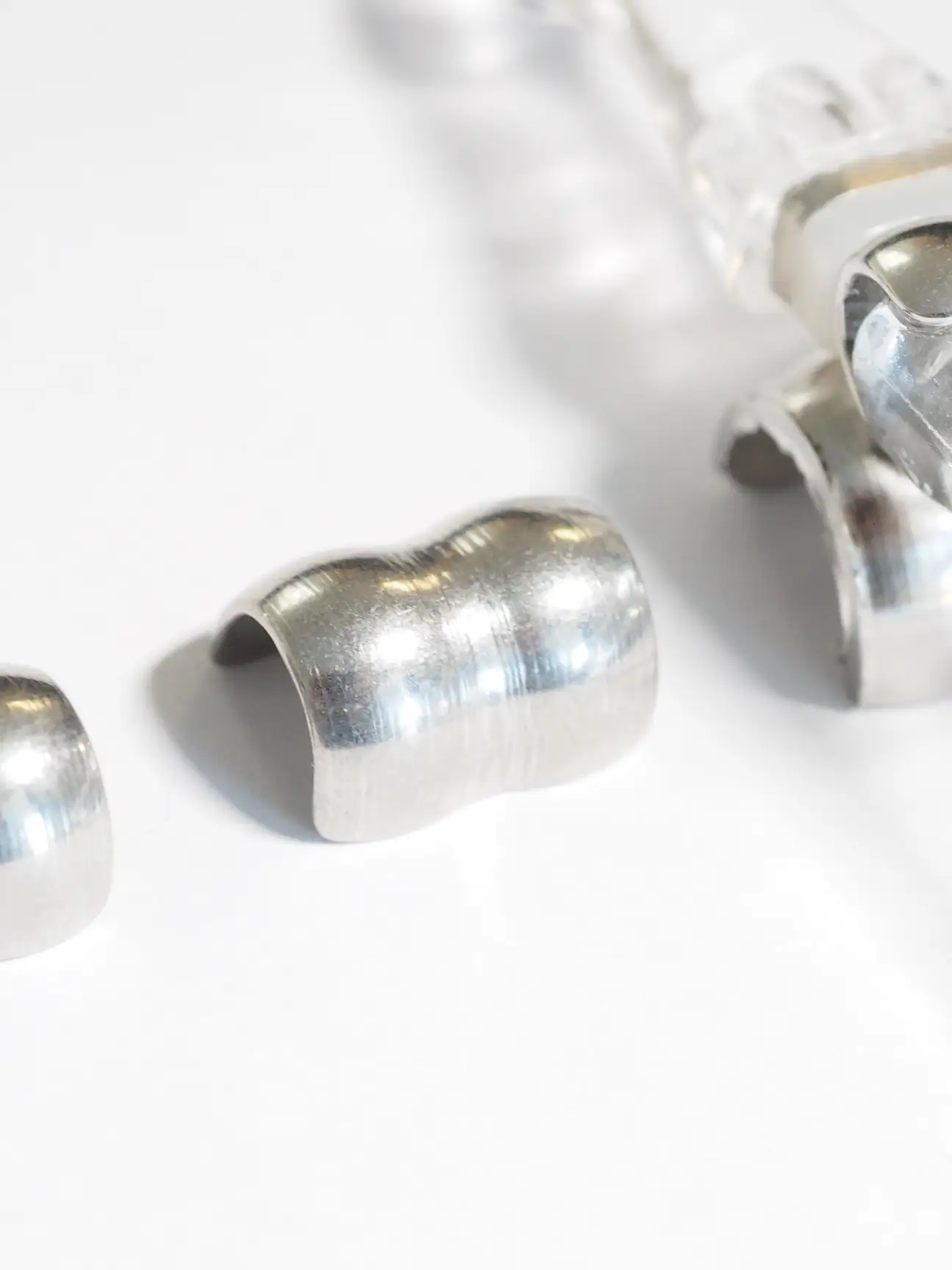
The basis is a cobalt-chromium alloy that is already used in hip and knee endoprostheses. It is hard, wear-resistant and corrosion-resistant, making it ideal for small joints that perform thousands of movements every day. Precision grinding creates mirror-smooth surfaces with tolerances in the micrometre range, significantly reducing friction and wear. Without this grinding process, the surfaces would be too rough and uneven and would promote microcracks.

Alternative materials at a glance

Silicone implants are easy to implant, but lose their dimensional stability over time and may buckle. Pyrocarbon offers high biocompatibility, but is prone to fracture and complex to manufacture. PEEK is lightweight, MRI-compatible and easy to visualise, but wears more quickly. Even metal implants require a perfectly finished surface: a point at which many manufacturers fail.

Fingergelenke geschliffen durch MAS Carbide
Loading...

Quality assurance

Regular inspection procedures ensure series quality. These include:

  • wear tests,
  • surface measurements,
  • runout inspections,
  • hardness testing and process capability verification.

They document the reproducibility of the grinding process and confirm the long-term durability of the implants.

Lohnschleifen Schleifmaschine
Loading...

Location advantage and complementary instruments

MAS Carbide manufactures all implants exclusively in Germany. Local production ensures stable supply chains, short communication channels and close coordination between development, production and clinical application.

In addition, a specially ground scalpel for tendon transection is now available, further increasing the precision of surgical procedures.

Conclusion

The targeted use of precision grinding combined with a proven cobalt-chromium alloy produces finger joint implants that are exceptionally durable and functional thanks to micrometre-level tolerances and mirror-smooth surfaces.

This approach enables patients to regain controlled, smooth hand movement and represents a clear advantage over cast or insufficiently finished implants.